How Customs Rulings Can Help Prevent Expensive Classification Errors
How Customs Rulings Can Help Prevent Expensive Classification Errors
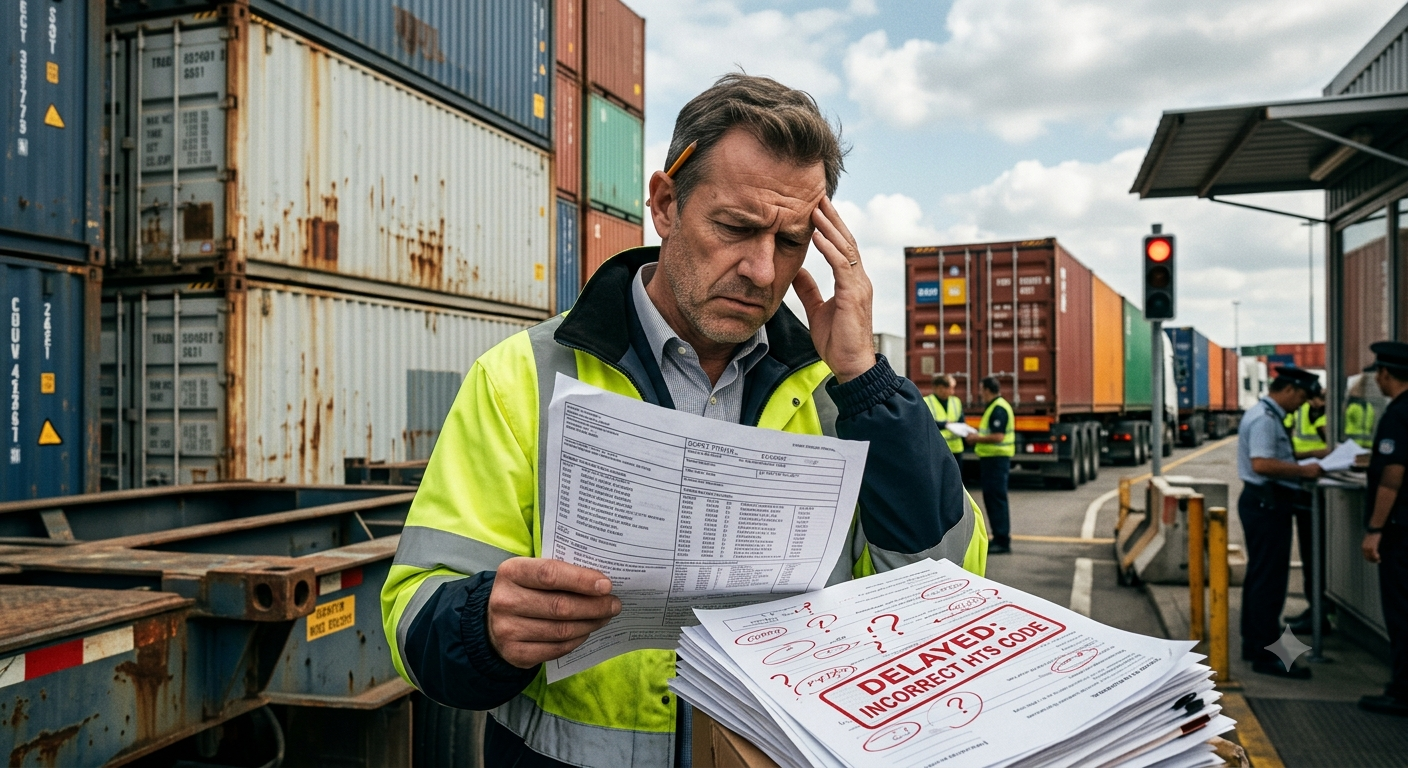
International trade depends on accurate customs classification. Every product that crosses a border must be assigned the correct Harmonized System (HS) code, and that classification determines duties, taxes, import restrictions, documentation requirements, and eligibility for trade agreements. Even a small mistake can result in unexpected costs, shipment delays, customs audits, financial penalties, and damaged business relationships.
Many importers and exporters assume product classification is straightforward, but customs authorities often interpret products differently based on their composition, intended use, manufacturing process, or technical characteristics. This is where customs rulings become one of the most valuable tools available to businesses involved in global trade.
At American Trade Bridge, we help businesses reduce compliance risks by understanding how customs rulings support accurate product classification and long term trade success.
Understanding Customs Classification
Customs classification is the process of assigning a product to the appropriate HS code under the Harmonized System. These internationally recognized codes provide a common language for customs agencies around the world.
Although the first six digits of an HS code are standardized internationally, many countries add additional digits to create more detailed tariff classifications. These expanded codes influence duty rates, import licensing requirements, quotas, anti dumping measures, and regulatory obligations.
Incorrect classification can create serious financial consequences. Businesses may overpay duties, underpay duties, or unknowingly violate customs regulations. Even if an error is unintentional, customs authorities generally expect importers to exercise reasonable care when classifying products.
What Is a Customs Ruling?
A customs ruling is an official written decision issued by a customs authority that explains how a specific product should be classified under applicable tariff schedules. Depending on the country, rulings may also address issues such as valuation, country of origin, or eligibility under free trade agreements.
Unlike informal opinions, customs rulings provide a documented interpretation based on detailed product information submitted by the importer or their representative. Once issued, the ruling serves as guidance for future imports of the same product, creating greater consistency and reducing uncertainty.
Because customs rulings are based on specific product characteristics, businesses must provide complete and accurate technical information when requesting one.
Why Classification Errors Are So Expensive
Many companies underestimate the true cost of classification mistakes. The immediate issue may be an incorrect duty payment, but the long term consequences can extend much further.
An incorrect classification may trigger customs examinations that delay shipments and disrupt supply chains. Delays often increase storage fees, transportation expenses, and inventory shortages.
If customs determines that duties were underpaid, businesses may be required to pay the difference along with interest and penalties. Repeated compliance issues may also increase the likelihood of future inspections and audits.
In some industries, incorrect classification may affect import licensing, product certifications, labeling requirements, or compliance with government agencies beyond customs.
These risks highlight why proactive classification management is often far less expensive than correcting errors after goods have already crossed the border.
How Customs Rulings Improve Classification Accuracy
Customs rulings provide businesses with greater certainty before shipments arrive at the border.
Rather than relying solely on internal interpretation or previous experience, companies receive official guidance from customs authorities regarding the proper classification of their products.
This official confirmation reduces uncertainty when filing customs entries and creates greater confidence that products are being declared correctly.
Businesses that import specialized equipment, innovative technologies, complex machinery, medical devices, chemicals, electronic components, or products with multiple potential classifications often benefit significantly from obtaining advance rulings.
Better Financial Planning
Duty rates vary considerably between classifications.
A minor change in product classification can sometimes result in substantial differences in import costs. Without confidence in classification, forecasting landed costs becomes more difficult.
Customs rulings allow businesses to estimate import expenses with greater accuracy because duty obligations become more predictable. Better forecasting supports pricing strategies, budgeting, procurement planning, and contract negotiations with customers and suppliers.
When businesses understand their actual import costs, they can make more informed commercial decisions while reducing unexpected financial surprises.
Stronger Compliance Programs
Customs authorities increasingly expect importers to maintain effective compliance programs.
Obtaining customs rulings demonstrates that a company has taken reasonable steps to verify proper classification rather than relying on assumptions.
During audits, documented customs rulings provide evidence that classification decisions were based on official guidance rather than guesswork.
This proactive approach strengthens overall compliance and may reduce disputes during customs reviews.
Consistency Across Multiple Shipments
Large importers often move the same products across borders repeatedly throughout the year.
Without standardized classification guidance, different employees, customs brokers, or international offices may classify identical products differently.
These inconsistencies increase compliance risks and complicate customs recordkeeping.
A customs ruling creates a consistent reference that everyone involved in the import process can follow, helping maintain uniform declarations across future shipments.
Supporting Supply Chain Efficiency
Supply chain performance depends on predictable customs clearance.
When customs officials encounter inconsistent or questionable classifications, shipments may be selected for additional review. Every inspection increases transit times and operational costs.
Accurate classifications supported by customs rulings often contribute to smoother border processing because documentation aligns with established customs guidance.
While no ruling guarantees immediate clearance, reducing classification uncertainty helps eliminate one common cause of customs delays.
Protecting Against Future Disputes
International trade regulations continue to evolve.
Tariff schedules are updated, new trade measures are introduced, and customs authorities periodically revise their interpretations.
Businesses that maintain documented customs rulings have stronger support if questions arise regarding previously imported products.
When regulations change, companies can review existing rulings and determine whether updates are necessary before future shipments occur.
This forward looking approach minimizes disruption and supports ongoing compliance.
When Should Businesses Request a Customs Ruling?
Not every product requires an advance ruling, but many situations justify obtaining one.
Products that contain multiple materials, perform several functions, incorporate emerging technologies, or lack obvious classifications frequently benefit from official guidance.
Companies introducing new product lines, expanding into unfamiliar markets, changing manufacturing processes, or importing high value goods should also consider requesting customs rulings before commercial shipments begin.
Businesses facing conflicting opinions from suppliers, brokers, or internal teams may also benefit from obtaining a definitive customs determination.
Information Needed for a Customs Ruling
The quality of a customs ruling depends heavily on the information provided with the application.
Businesses should prepare detailed product descriptions, technical specifications, engineering drawings where appropriate, product literature, manufacturing information, photographs, material composition details, and explanations of intended use.
Providing complete information allows customs authorities to evaluate products accurately and issue rulings that reflect their actual characteristics.
Incomplete or inaccurate submissions may result in delays or decisions that do not fully address the product being imported.
Working With Experienced Trade Professionals
Although businesses can request customs rulings independently, preparing an effective submission often requires specialized knowledge of customs regulations, tariff schedules, product interpretation rules, and international trade documentation.
Trade professionals can help identify classification issues before submission, organize technical documentation, communicate with customs authorities when appropriate, and ensure that applications address all relevant regulatory considerations.
Professional guidance also helps businesses understand how customs rulings interact with free trade agreements, valuation requirements, country of origin determinations, and broader import compliance obligations.
Looking Beyond Individual Shipments
Successful import compliance is not limited to clearing one shipment. It requires consistent processes that support long term business growth.
Customs rulings contribute to stronger compliance systems by creating reliable classification guidance that can be integrated into purchasing, logistics, accounting, customs brokerage, and supply chain management.
Organizations that invest in accurate classification today often experience fewer customs disputes, improved operational efficiency, and greater confidence as international trade regulations continue to evolve.
American Trade Bridge works with businesses seeking practical customs compliance solutions that reduce risk while supporting efficient international trade operations. By combining accurate classification practices with informed customs planning, companies can minimize costly errors, improve supply chain reliability, and build stronger foundations for long term global growth. Whether importing finished goods, industrial equipment, consumer products, or specialized components, taking advantage of customs rulings can be one of the smartest investments in a successful international trade strategy. American Trade Bridge remains committed to helping clients navigate complex customs requirements with confidence, ensuring that every shipment is backed by careful planning, regulatory knowledge, and dependable compliance practices.
