Customs Bonded Warehousing in the USA
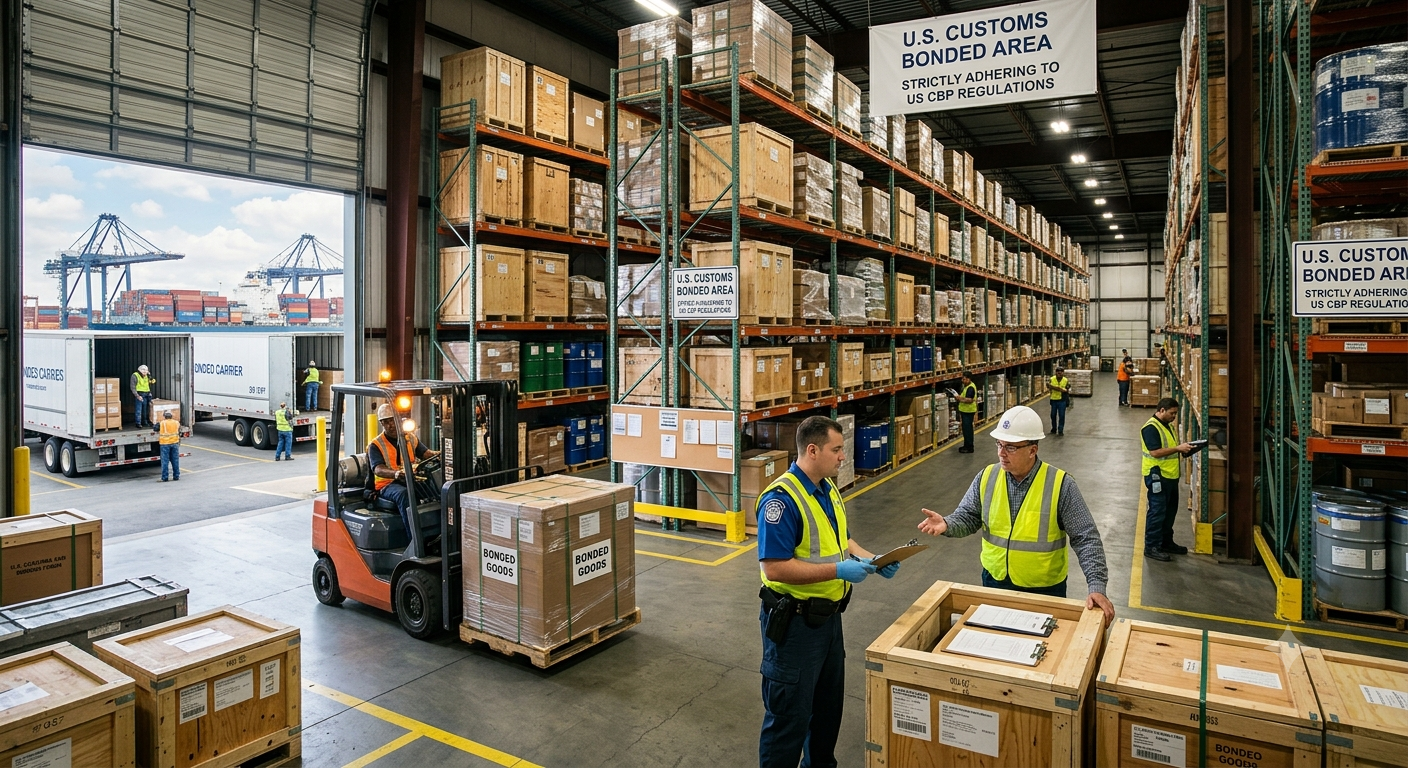
Customs Bonded Warehousing in the USA: Benefits for Importers and Exporters
International trade in the United States operates within a highly regulated customs environment where businesses must manage duties, taxes, compliance obligations, and supply chain efficiency at the same time. For importers and exporters handling large volumes of cargo, customs bonded warehousing has become an essential logistics solution that offers flexibility, financial advantages, and stronger operational control.
As global trade continues to expand, companies are searching for ways to reduce overhead costs while maintaining compliance with U.S. Customs and Border Protection regulations. Customs bonded warehouses provide a strategic advantage by allowing imported goods to be stored without immediate payment of duties and taxes. This creates opportunities for businesses to improve cash flow, streamline distribution, and respond more effectively to market demands.
At American Trade Bridge, we help businesses understand how bonded warehousing supports international trade operations and why it remains one of the most valuable tools for importers and exporters operating in the United States.
Understanding Customs Bonded Warehousing
A customs bonded warehouse is a secure facility authorized by U.S. Customs and Border Protection where imported goods may be stored before duties and taxes are paid. These warehouses operate under strict federal regulations and are designed to ensure that imported cargo remains protected and accounted for while under customs supervision.
Goods stored in bonded warehouses can remain there for an extended period, often up to five years, depending on the type of merchandise and applicable customs rules. During this time, businesses can delay duty payments until products are officially entered into the U.S. market.
This arrangement benefits companies that import large quantities of products, seasonal inventory, high duty goods, or merchandise intended for re export.
How Bonded Warehousing Works
When imported cargo arrives in the United States, it can either be cleared immediately through customs or transferred into a bonded warehouse. If placed in bonded storage, the importer does not pay customs duties at the time of arrival. Instead, duties are deferred until the goods are removed for domestic distribution.
If the products are re exported to another country instead of entering the U.S. market, duties may not need to be paid at all. This creates major financial advantages for businesses involved in international redistribution or global supply chains.
Bonded warehouses may also allow certain activities such as repackaging, sorting, labeling, or inventory management under customs supervision. These operational capabilities make bonded facilities more than simple storage locations. They become an integrated part of the logistics and compliance process.
Improved Cash Flow Management
One of the most significant benefits of customs bonded warehousing is improved cash flow. Import duties and taxes can represent a major expense, especially for businesses importing high value cargo or large inventory volumes.
By using bonded storage, companies can postpone duty payments until goods are actually needed for sale or distribution within the United States. This allows businesses to maintain stronger liquidity and allocate capital toward inventory growth, operational investments, or expansion efforts.
For many importers, this financial flexibility becomes critical during periods of market uncertainty or seasonal demand fluctuations. Instead of tying up cash in customs payments immediately upon arrival, businesses gain more control over when those costs are incurred.
American Trade Bridge works with clients to help structure logistics strategies that align warehousing solutions with broader financial and operational goals.
Reduced Financial Risk
Bonded warehouses also help reduce financial exposure for businesses dealing with changing market conditions. In some cases, imported goods may not sell as expected or may become subject to new tariffs, compliance restrictions, or changing consumer demand.
Because duties are deferred while products remain in bonded storage, businesses can avoid paying unnecessary customs charges on goods that may later be re exported, returned, or redirected to other international markets.
This flexibility reduces risk and provides companies with greater adaptability in uncertain trade environments. Businesses can make inventory decisions based on market performance rather than being forced into immediate customs clearance.
Strategic Advantage for Re Exporters
Companies involved in international redistribution often benefit greatly from bonded warehousing. Goods imported into the United States and later shipped to foreign destinations may qualify for duty exemptions if they never formally enter U.S. commerce.
This creates a substantial cost saving opportunity for exporters using the United States as a logistics hub. Products can be consolidated, stored, relabeled, or prepared for onward shipment without triggering immediate duty obligations.
For global businesses managing cross border supply chains, bonded warehousing strengthens operational efficiency while minimizing unnecessary customs expenses.
Enhanced Inventory Flexibility
Bonded warehouses provide importers with more control over inventory timing and distribution strategies. Instead of rushing products into the domestic market, businesses can store inventory strategically and release goods based on sales demand, seasonal requirements, or regional distribution needs.
This flexibility is especially useful for industries dealing with fluctuating demand cycles such as electronics, apparel, automotive parts, medical equipment, and consumer goods.
Companies can also divide shipments and clear customs incrementally rather than processing an entire cargo load at once. This staged approach improves inventory management and reduces storage pressure at domestic facilities.
Support for Trade Compliance
Customs compliance remains one of the most important aspects of international trade operations. Bonded warehouses operate under strict customs oversight, helping businesses maintain accurate inventory records and regulatory compliance standards.
Proper bonded warehouse management includes documentation tracking, inventory controls, customs reporting, and secure cargo handling procedures. These processes reduce the risk of customs penalties, shipment delays, or compliance violations.
At American Trade Bridge, we understand the importance of maintaining compliance throughout every stage of the import and export process. Our approach focuses on helping businesses navigate customs requirements efficiently while minimizing disruptions to their supply chains.
Security and Cargo Protection
Bonded warehouses are designed to meet high security standards required by customs authorities. Facilities often include monitored access systems, surveillance technology, controlled inventory management, and strict operational procedures.
These security measures protect valuable cargo from theft, damage, or unauthorized access while goods remain under customs supervision.
For businesses importing sensitive or high value products, bonded storage offers additional confidence that inventory is being handled in a secure and regulated environment.
Support During Tariff Changes and Trade Disruptions
Global trade conditions can change rapidly due to tariffs, policy adjustments, geopolitical events, or supply chain disruptions. Bonded warehousing provides businesses with added flexibility during uncertain periods by allowing inventory to remain stored while companies evaluate changing trade conditions.
Importers can delay customs entry decisions until market conditions stabilize or until more favorable duty structures become available. This flexibility helps companies reduce exposure to sudden tariff increases or regulatory shifts.
Businesses that plan proactively often use bonded warehousing as part of a broader risk management strategy for international trade operations.
Industries That Benefit Most from Bonded Warehousing
Many industries rely heavily on bonded warehousing to improve efficiency and reduce costs. Importers of electronics often use bonded facilities to manage rapidly changing inventory cycles and product launches. Automotive suppliers benefit from deferred duties on large component shipments. Retail companies use bonded storage to prepare seasonal inventory before domestic distribution.
Pharmaceutical and medical supply companies may also benefit from secure bonded facilities that support inventory control and compliance requirements. Similarly, exporters using the United States as a transit point often depend on bonded warehousing to reduce unnecessary customs expenses.
The versatility of bonded storage makes it valuable across a wide range of industries involved in global commerce.
Choosing the Right Bonded Warehousing Partner
Selecting the right bonded warehousing provider is critical for maintaining efficient trade operations. Businesses should evaluate warehouse security standards, customs expertise, inventory management systems, location advantages, and operational capabilities before making a decision.
A strong warehousing partner should understand customs procedures thoroughly and provide reliable communication throughout the storage and distribution process.
American Trade Bridge supports businesses by helping them identify warehousing solutions that align with operational needs, compliance requirements, and long term trade objectives.
The Growing Importance of Bonded Warehousing
As international trade becomes more complex, bonded warehousing continues to grow in importance for importers and exporters seeking operational efficiency and financial flexibility. Delayed duty payments, stronger inventory control, and improved compliance management all contribute to more resilient supply chain operations.
Companies that integrate bonded warehousing into their logistics strategies often gain a competitive advantage by reducing costs and improving responsiveness to changing market conditions.
In today’s evolving trade environment, businesses need solutions that provide both flexibility and control. Customs bonded warehousing offers exactly that by helping companies manage risk, preserve cash flow, and optimize global trade operations.
At American Trade Bridge, we remain committed to helping importers and exporters navigate the complexities of international commerce with confidence and efficiency.
