Navigating NVOCC Filing in NYC: A Strategic Approach to Compliance and Cargo Control
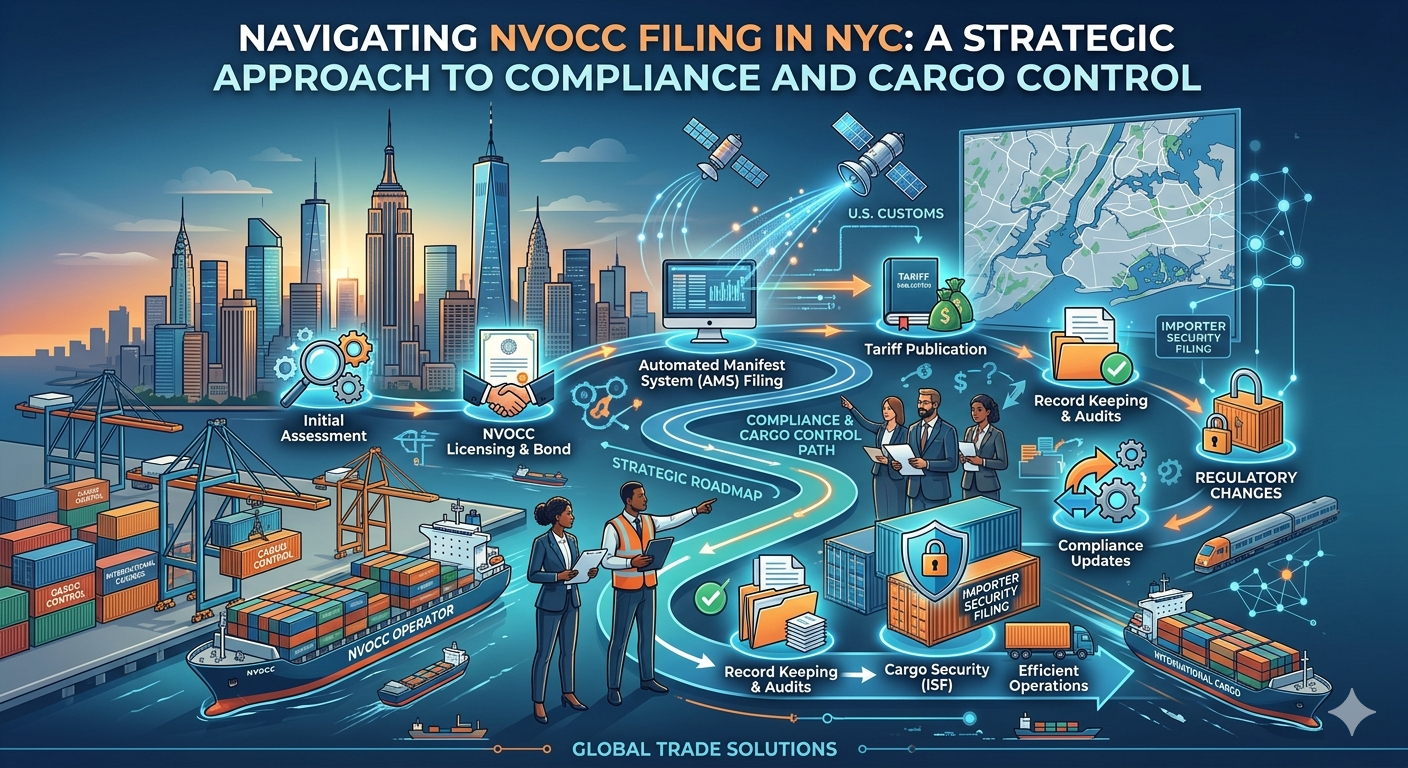
Navigating NVOCC Filing in NYC
In the global shipping ecosystem, Non-Vessel Operating Common Carriers play a pivotal role in connecting exporters, importers, and ocean carriers. Yet, operating as an NVOCC in a high-volume trade hub like New York City introduces a layer of regulatory complexity that many businesses underestimate. Filing requirements, compliance protocols, and documentation standards are not just procedural tasks. They directly impact cargo flow, legal standing, and operational efficiency.
We approach NVOCC filing not as a checklist, but as a structured compliance strategy that aligns with both U.S. regulations and international shipping frameworks.
Understanding the Regulatory Landscape
NVOCC operators in the United States must comply with the rules established by the Federal Maritime Commission. This includes tariff publication, bond requirements, and accurate filing of shipping documentation such as bills of lading and Automated Manifest System submissions.
In NYC, where port activity is dense and scrutiny is high, even minor discrepancies can lead to delays, penalties, or shipment holds. Filing accuracy becomes critical, especially when handling high-frequency shipments or multi-party logistics chains.
We emphasize proactive compliance rather than reactive correction. This means structuring filings in a way that anticipates regulatory checks before they happen.
Why NYC Demands a Specialized Filing Approach
New York City is not just another port location. It is a high-velocity logistics environment with layered oversight involving customs authorities, port operators, and federal agencies. The sheer volume of cargo passing through the region increases the likelihood of audits and inspections.
Key challenges include:
• Tight submission timelines for AMS filings
• Increased scrutiny on cargo descriptions and consignee details
• Complex coordination between freight forwarders, customs brokers, and carriers
• High penalties for non-compliance or delayed filings
Because of this, NVOCC filing in NYC requires precision, speed, and a deep understanding of port-specific operational dynamics.
________________________________________
The Hidden Risks of Improper Filing
Many logistics operators view filing as an administrative burden. In reality, it is a risk management function. Errors in NVOCC filings can trigger:
• Cargo holds at port terminals
• Financial penalties from regulatory bodies
• Loss of credibility with partners and clients
• Delays that disrupt entire supply chains
We treat each filing as a critical control point in the shipping lifecycle. Accuracy at this stage ensures continuity across all downstream logistics processes.
A Systems-Based Filing Methodology
Rather than relying on fragmented processes, we implement a systems-based approach to NVOCC filing. This involves integrating documentation workflows, compliance checks, and data validation into a unified structure.
Our methodology focuses on:
Data Integrity
Ensuring that all shipment data is consistent across documents, including invoices, packing lists, and bills of lading.Regulatory Alignment
Mapping each filing requirement to current FMC and customs standards to avoid outdated or incorrect submissions.Process Automation
Reducing manual errors by leveraging structured workflows that standardize repetitive filing tasks.Audit Readiness
Maintaining organized records that can be quickly accessed and verified during inspections or compliance reviews.
The Role of Expertise in Filing Efficiency
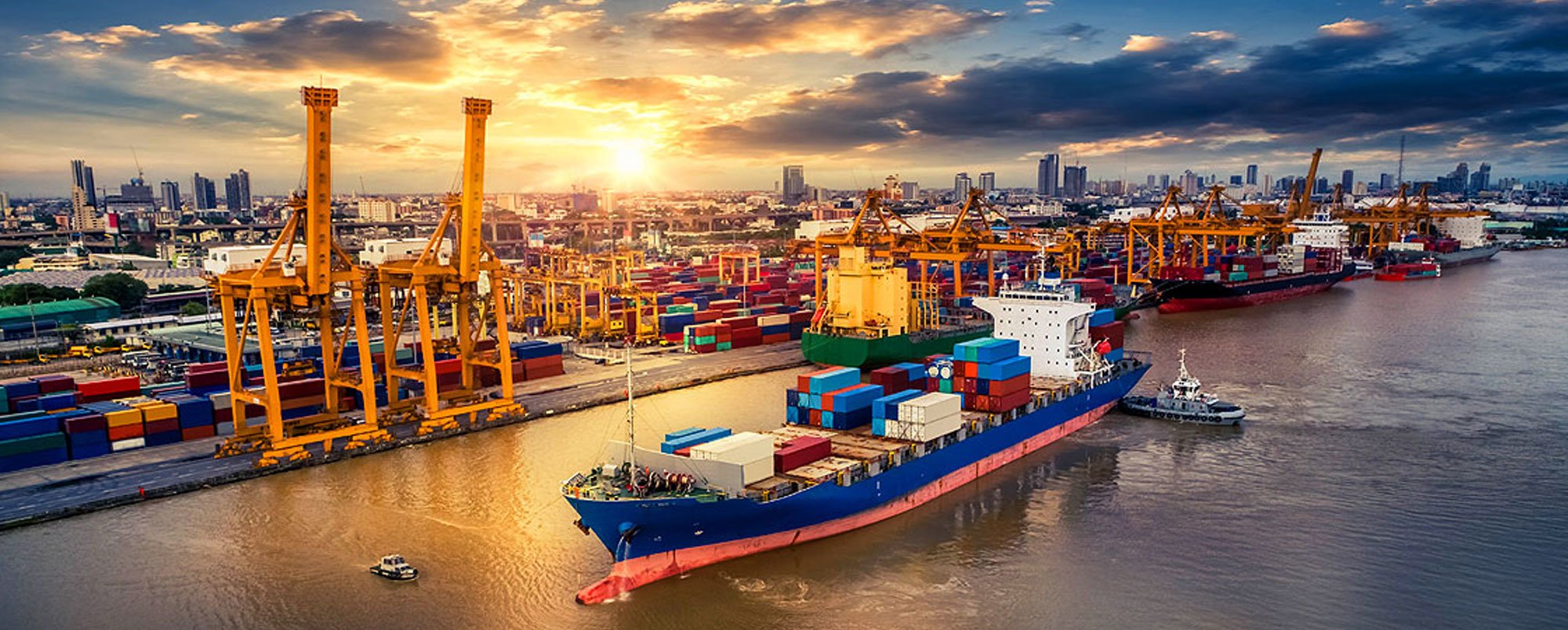
NVOCC filing is not just about submitting information. It is about understanding how that information interacts with regulatory systems. This requires domain expertise in international trade, customs procedures, and maritime logistics.
We bring a consultative layer to filing support. Instead of simply processing documents, we analyze shipment structures, identify potential compliance gaps, and optimize filings for both speed and accuracy.
This approach reduces friction in cargo movement and enhances overall operational reliability.
NYC as a Strategic Trade Gateway
Operating in NYC offers immense advantages due to its connectivity and infrastructure. However, these benefits can only be fully realized when compliance processes are robust.
Efficient NVOCC filing enables:
• Faster cargo clearance
• Improved coordination with port authorities
• Reduced risk of shipment disruptions
• Stronger relationships with global trade partners
By aligning filing practices with the demands of this gateway, businesses can transform compliance into a competitive advantage.
Building a Resilient Filing Framework
A resilient NVOCC filing framework is one that adapts to regulatory updates, scales with shipment volume, and maintains consistency across all operations. This requires ongoing monitoring, periodic audits, and continuous process improvement.
We focus on creating frameworks that are not only compliant today but are also prepared for future regulatory shifts. This forward-looking approach ensures long-term stability in an evolving trade environment.
NVOCC filing in NYC is a high-stakes function that demands more than basic documentation skills. It requires strategic oversight, technical accuracy, and a deep understanding of regulatory systems.
At American Trade Bridge, we help structure filing processes that minimize risk and maximize efficiency. By treating compliance as a core operational function, we enable smoother cargo movement and stronger positioning in the global trade network.
In a city where every shipment matters, precision in filing is not optional. It is essential.
