The Invisible Infrastructure Powering Global Trade Efficiency
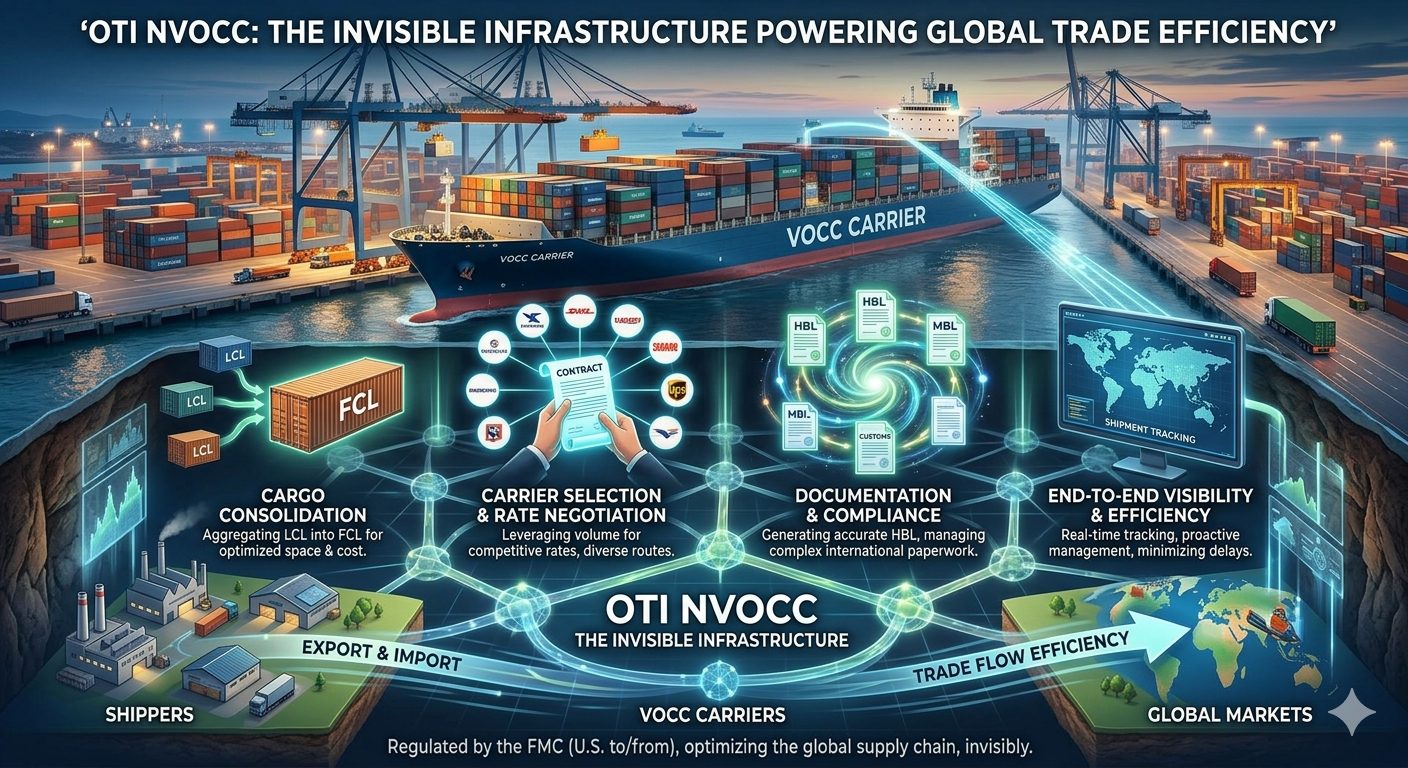
OTI NVOCC: The Invisible Infrastructure Powering Global Trade Efficiency
Global trade is often imagined through massive container ships, bustling ports, and complex customs systems. What remains less visible, yet critically important, is the regulatory and operational framework that allows goods to move seamlessly across borders. One of the most strategic roles in this ecosystem is played by an Ocean Transportation Intermediary operating as a Non Vessel Operating Common Carrier. When structured correctly, this model becomes a powerful instrument for efficiency, compliance, and competitive advantage.
At American Trade Bridge, we view the OTI NVOCC model not just as a compliance requirement but as a strategic lever that transforms how businesses scale internationally.
Understanding the OTI NVOCC Model
An Ocean Transportation Intermediary includes entities that facilitate ocean freight movement without necessarily owning vessels. Within this category, a Non Vessel Operating Common Carrier operates by issuing its own bills of lading, consolidating shipments, and assuming responsibility for cargo transport.
Unlike traditional freight forwarders, an NVOCC acts as a carrier to shippers and as a shipper to vessel operators. This dual positioning creates a unique operational advantage. It allows for better rate control, improved cargo consolidation, and a more predictable supply chain structure.
The OTI designation ensures that these operations are regulated, licensed, and bonded. This is essential for maintaining trust, reducing risk, and ensuring financial accountability in international shipping.
Why OTI NVOCC Matters in Modern Trade
The evolution of global commerce has shifted expectations. Businesses no longer seek just transportation. They demand visibility, reliability, and scalability.
An OTI NVOCC model delivers on these expectations in several key ways:
1. Control Over Logistics Execution
By issuing its own bills of lading, an NVOCC maintains direct control over shipment terms. This reduces dependency on third party carriers and allows for more flexible routing and scheduling decisions.
2. Cost Optimization Through Consolidation
Cargo consolidation is one of the most overlooked cost levers in shipping. By grouping shipments, an NVOCC can negotiate better rates and pass those efficiencies downstream.
3. Regulatory Compliance and Risk Mitigation
Operating under an OTI framework ensures adherence to strict maritime regulations. This reduces exposure to legal risks, penalties, and operational disruptions.
4. Enhanced Customer Experience
With greater control and accountability, shipment tracking, documentation accuracy, and delivery timelines become significantly more reliable.
A Strategic Shift From Transactional to Infrastructure Thinking
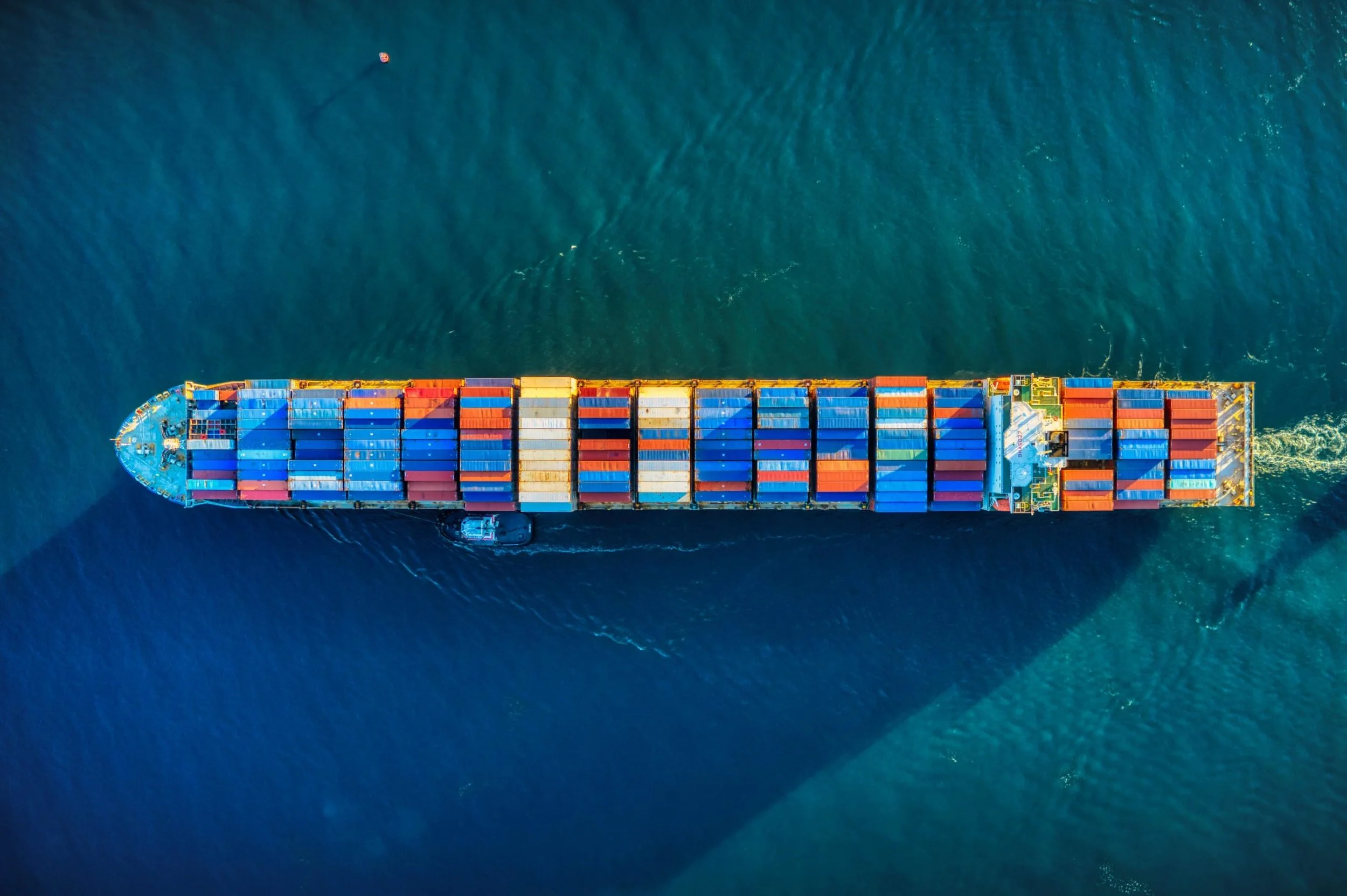
Many businesses approach logistics as a transactional necessity. However, the OTI NVOCC model encourages a shift toward infrastructure thinking.
Instead of asking how to ship goods, the better question becomes how to design a logistics system that scales with business growth.
This is where American Trade Bridge aligns its approach. We treat logistics as a foundational layer of global expansion. By leveraging the OTI NVOCC framework, we enable businesses to build predictable and resilient trade pipelines rather than relying on fragmented service providers.
________________________________________
The Role of Digital Integration
Modern OTI NVOCC operations are no longer manual or opaque. Digital integration plays a central role in enhancing performance.
Key advancements include:
• Real time shipment visibility
• Automated documentation workflows
• Predictive routing based on port congestion data
• Integrated compliance checks
These capabilities transform logistics from a reactive process into a proactive system. When implemented correctly, they reduce delays, eliminate redundancies, and improve decision making at every stage.
Navigating Market Volatility
Global shipping markets are inherently volatile. Factors such as geopolitical shifts, port congestion, fuel price fluctuations, and regulatory changes can disrupt supply chains without warning.
An OTI NVOCC structure provides a buffer against this volatility.
Because of its intermediary positioning, it can quickly adapt routing strategies, shift carrier relationships, and optimize capacity allocation. This flexibility is critical in maintaining continuity during periods of disruption.
Building Long Term Trade Resilience
Short term logistics solutions often prioritize speed over sustainability. In contrast, an OTI NVOCC model supports long term resilience.
It achieves this through:
• Diversified carrier networks
• Strong contractual frameworks
• Consistent compliance adherence
• Scalable operational systems
At American Trade Bridge, we focus on building these resilient frameworks. Our objective is not just to move goods but to create enduring trade systems that support sustained growth.
The Competitive Advantage
Businesses that leverage an OTI NVOCC partner effectively gain a structural advantage. They benefit from:
• Lower operational costs
• Improved delivery reliability
• Greater transparency
• Reduced compliance risks
In competitive markets, these advantages translate directly into better customer satisfaction and stronger margins.
Final Perspective
The OTI NVOCC model is often underestimated because it operates behind the scenes. Yet, it is one of the most critical components of modern global trade infrastructure.
By combining regulatory strength, operational control, and digital integration, it creates a powerful platform for scalable and efficient logistics.
At American Trade Bridge, we utilize this model to help businesses move beyond fragmented shipping solutions and toward integrated trade ecosystems. In doing so, we enable our partners to operate with confidence, agility, and long term strategic clarity in an increasingly complex global marketplace.
