The Role of Bonded Warehousing in Managing Complex Import Cargo Flows Through New York
Understanding the Complexity of New York Import Cargo
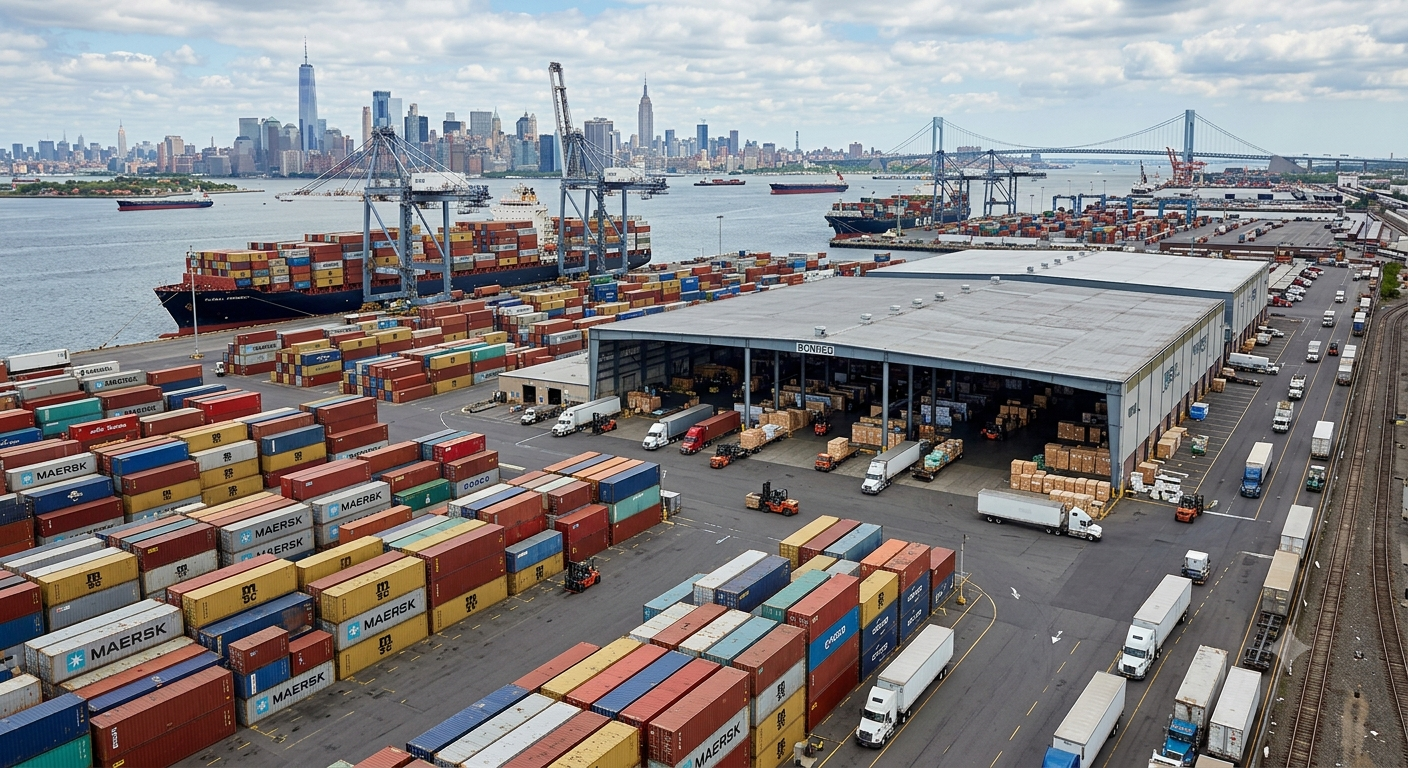
New York remains one of the most important gateways for international cargo entering the United States, with importers relying on a network of ports, airports, customs facilities, freight forwarders, customs brokers, carriers, and distribution centers. The sheer diversity of cargo moving through the region creates operational challenges that cannot always be addressed through conventional warehousing arrangements. Import shipments may arrive in multiple containers, require different customs procedures, involve several consignees, or need to remain under customs control before duties and taxes are settled. Timing can also vary considerably between vessel arrivals, customs processing, inland transportation, inspections, and final delivery requirements. These variables make cargo visibility, documentation accuracy, inventory control, and regulatory compliance essential components of an effective import strategy. For businesses handling complicated international supply chains, bonded warehousing can provide the controlled environment needed to coordinate these activities more efficiently.
What Bonded Warehousing Provides Importers
A bonded warehouse is a facility authorized to hold imported merchandise under customs control while applicable customs requirements are managed. One of its major advantages is that qualifying goods can remain in bonded status without immediate payment of certain customs duties and taxes until the merchandise is withdrawn for domestic consumption. This can provide importers with greater control over the timing of customs payments and cargo movements. It can also be valuable when shipments need to be consolidated, inspected, repackaged where permitted, documented, or prepared for another stage of the supply chain. Instead of forcing every shipment through immediate customs entry and domestic distribution, bonded storage creates an additional operational stage between arrival and final disposition. We help businesses understand how this type of warehousing structure can fit into broader import and logistics strategies while keeping compliance considerations at the center of the process.
Managing Multiple Import Shipments Through One Controlled Environment
Complex importers frequently deal with cargo that does not arrive according to a single predictable schedule. Different suppliers may ship merchandise at different times, while ocean carriers, airlines, trucking companies, and customs brokers operate according to separate schedules and documentation requirements. A bonded warehouse can provide a centralized location where eligible cargo is controlled while the importer determines the appropriate next step. This is particularly useful when shipments need to be coordinated before being released into domestic commerce. Consolidating operational activities within a controlled warehouse environment can reduce unnecessary cargo movements and provide greater visibility over inventory waiting for customs disposition. It also gives logistics teams an opportunity to coordinate documentation, transportation planning, and inventory decisions instead of treating every shipment as an isolated transaction.
Supporting Customs Compliance and Documentation
Customs compliance is one of the most important considerations when managing imported merchandise through New York. Classification, valuation, country of origin, entry documentation, admissibility requirements, and applicable customs procedures can all influence how cargo must be handled. Errors in documentation can create delays, additional costs, examinations, or other compliance complications. A properly managed bonded warehouse operation requires disciplined inventory records and procedures that maintain clear accountability for merchandise under customs control. Our approach emphasizes the importance of coordinating warehouse processes with customs brokerage and import compliance requirements so that physical cargo and supporting documentation remain aligned. This coordination becomes especially important when an importer handles a high volume of SKUs, multiple suppliers, different entry types, or cargo subject to additional regulatory requirements.
Improving Control Over Duty and Tax Timing
One of the strategic benefits associated with bonded warehousing is the ability to manage the timing of customs duty obligations for eligible merchandise. Importers can sometimes avoid paying applicable duties immediately upon arrival when merchandise remains properly stored under bond, subject to the applicable customs rules and withdrawal requirements. This can be particularly meaningful for businesses that experience long inventory cycles or uncertain demand after goods arrive in the United States. Instead of tying working capital to merchandise that has not yet entered domestic commerce, businesses may gain additional flexibility in determining when eligible cargo is released. The financial impact depends on the nature of the merchandise, applicable regulations, inventory duration, and the importer's operating model. Careful planning is therefore necessary to ensure that any financial advantage is balanced against storage expenses, compliance obligations, and the operational requirements of the bonded facility.
Handling Cargo Awaiting Customs Decisions
Not every shipment can move directly from a port or airport into domestic distribution. Cargo may require additional documentation, regulatory review, inspection, classification analysis, or other customs-related attention before its final disposition is determined. Moving such merchandise into an appropriate bonded environment can help prevent premature domestic release while allowing logistics teams to maintain physical control of the goods. This can reduce the pressure to make rushed decisions simply because cargo has arrived at the gateway. A controlled storage environment can also provide additional time for importers, brokers, and compliance professionals to review shipment information and determine the correct course of action. The ability to separate physical cargo handling from immediate domestic distribution can be especially valuable when dealing with complicated import transactions.
Coordinating Ocean Cargo and Inland Transportation
New York's import ecosystem extends well beyond the immediate port area, with cargo moving between marine terminals, container freight stations, warehouses, trucking operations, rail connections, and regional distribution centers. Coordinating these movements requires more than simply booking transportation from one location to another. Importers must consider container availability, terminal appointments, customs status, warehouse capacity, delivery windows, chassis availability, and documentation readiness. Bonded warehousing can function as an important control point within this network by providing a location where eligible cargo can be received and managed while transportation and customs decisions are coordinated. This can be particularly useful when the timing of vessel discharge does not match the timing of domestic delivery requirements. By integrating warehouse planning with transportation planning, importers can build a more responsive flow from international arrival through final distribution.
Managing Consolidated and Mixed Import Cargo
Many businesses import merchandise from numerous suppliers, and those shipments may involve different purchase orders, commercial invoices, product categories, and intended destinations. Managing these shipments individually can create unnecessary complexity when cargo arrives through the same gateway. A well-structured bonded warehouse operation can help create a controlled environment for receiving and managing eligible merchandise while maintaining appropriate inventory identification. Warehouse procedures can support segregation by importer, shipment, SKU, entry status, or other operational criteria where required. This can make it easier for logistics teams to determine which goods are ready for the next stage and which remain subject to customs control. Effective inventory discipline is critical because physical organization and accurate records must work together to support both operational efficiency and regulatory accountability.
Supporting Re-Export and International Distribution Strategies
Bonded warehousing can also play an important role for companies that import goods into the United States but do not necessarily intend to place all of those goods into domestic commerce. Some merchandise may ultimately be re-exported to customers, distributors, or affiliated operations in other countries. Maintaining eligible goods within an appropriate bonded framework can support international distribution strategies while reducing the need to treat every imported shipment as a domestic sale. This can be particularly relevant for trading companies, distributors, multinational organizations, and businesses using New York as a strategic gateway for North American or global cargo flows. Re-export operations require careful documentation and compliance with applicable customs procedures, so operational planning should begin before merchandise arrives. A warehouse strategy that recognizes both domestic and international destinations can provide greater flexibility across the entire import network.
Managing Cargo With Different Release Timelines
Import cargo rarely moves according to a perfectly synchronized schedule. One shipment may be ready for domestic distribution immediately, while another may be waiting for documentation, customer instructions, inspection results, or other operational requirements. Treating every shipment identically can lead to unnecessary storage costs or transportation inefficiencies. Bonded warehousing provides a mechanism for maintaining eligible merchandise in a controlled environment while different cargo decisions are made according to individual circumstances. This allows logistics managers to prioritize releases based on customer demand, transportation availability, customs status, and inventory requirements. With appropriate warehouse controls, businesses can create a more deliberate flow rather than allowing port arrival dates alone to determine distribution priorities.
The Importance of Inventory Visibility
Inventory visibility becomes increasingly important as import operations grow in volume and complexity. Businesses need to know what has arrived, where merchandise is physically located, what customs status applies to each shipment, and what action is required before goods can move forward. Without reliable records, even a strategically located warehouse can become a source of operational confusion. Bonded operations require particularly strong inventory controls because merchandise remains subject to customs requirements while it is stored under bond. We recognize that warehouse visibility should extend beyond simple quantity tracking and include shipment identification, documentation status, movement history, and release requirements. Connecting these elements can help importers make better transportation and inventory decisions while reducing the possibility of costly administrative errors.
Integrating Customs Brokerage With Warehouse Operations
Warehouse management and customs brokerage should not operate as disconnected functions when an importer is handling complicated cargo flows. Customs brokers may have information about entries, classifications, documentation, examinations, and release requirements that directly affects how warehouse personnel should handle particular shipments. Warehouse teams, meanwhile, have real-time information about physical receipt, inventory location, cargo condition, and movement. When these functions communicate effectively, discrepancies can be identified earlier and cargo can be moved according to its actual customs status. This integrated approach is especially important for businesses managing frequent shipments through New York because small administrative inconsistencies can become significant problems at higher volumes. American Trade Bridge focuses on helping importers understand the importance of connecting warehouse activity with customs and logistics processes rather than treating bonded storage as an isolated service.
Reducing Unnecessary Cargo Handling
Every additional cargo movement can introduce cost, delay, documentation requirements, and opportunities for damage or inventory discrepancies. Complex import operations therefore benefit from minimizing unnecessary transfers between facilities whenever regulations and operational requirements allow. A strategically selected bonded warehouse can provide multiple functions within one controlled environment, reducing the need to move merchandise simply because its customs status has not yet been finalized. This can also help logistics teams coordinate consolidation, staging, inspection preparation, and transportation planning more efficiently. The objective is not simply to store merchandise but to design a controlled sequence of activities that supports the cargo's ultimate destination. When warehouse placement is aligned with the broader import strategy, businesses can potentially improve both operational consistency and cargo control.
Responding to Supply Chain Disruptions
International supply chains are exposed to vessel delays, port congestion, weather disruptions, labor issues, equipment shortages, carrier schedule changes, and sudden shifts in customer demand. These disruptions can create mismatches between when merchandise arrives and when it can be distributed. Bonded warehousing can provide an additional layer of flexibility by giving importers a controlled location where eligible cargo can remain while transportation or customs conditions evolve. This does not eliminate supply chain disruption, but it can provide businesses with more options for managing the consequences. A flexible warehouse strategy can also help companies avoid making rushed domestic distribution decisions when the surrounding logistics network is temporarily constrained. Building this type of resilience requires advance planning because warehouse capacity, compliance procedures, transportation relationships, and documentation systems should be established before a disruption occurs.
Planning for High Volume Import Periods
Seasonal businesses and importers preparing for promotional periods can experience significant increases in cargo volume. When large numbers of containers or shipments arrive within a short period, conventional distribution facilities may struggle to accommodate every shipment immediately. Bonded warehousing can provide an additional planning mechanism for eligible merchandise that cannot yet move directly into domestic commerce. Importers can use this additional capacity to separate arrival management from final distribution scheduling. This can help create a more organized flow during periods when port activity and warehouse demand are elevated. Effective preparation requires businesses to forecast expected cargo volumes, review warehouse capacity, coordinate customs procedures, and establish clear inventory control processes before peak periods begin.
Selecting the Right Bonded Warehouse Strategy
Not every bonded warehouse arrangement will suit every importer. Businesses should evaluate location, facility capabilities, customs authorization, security procedures, inventory systems, cargo handling capabilities, transportation access, operating hours, and experience with the relevant cargo categories. The warehouse should also fit the company's customs strategy and distribution network rather than being selected solely because it has available storage space. Proximity to ports and major transportation corridors can be important, but the cheapest location is not necessarily the most cost-effective when additional drayage and handling expenses are considered. Importers should also examine how warehouse processes integrate with their customs broker, freight forwarder, transportation providers, and internal inventory systems. A comprehensive evaluation can help ensure that the bonded facility becomes an operational asset instead of another disconnected point in the supply chain.
Building a More Predictable Import Process
Predictability is one of the most valuable outcomes that an effective bonded warehousing strategy can provide. International cargo flows naturally involve uncertainty, but structured processes can reduce the operational impact of that uncertainty. By coordinating customs status, warehouse inventory, transportation scheduling, documentation, and final distribution requirements, importers can establish clearer decision points throughout the cargo lifecycle. This allows teams to identify potential problems earlier and allocate resources more effectively. It also creates a framework for measuring performance across receiving, storage, customs processing, release, and delivery activities. Over time, these processes can support a more disciplined and scalable import operation.
Why Bonded Warehousing Matters for New York Importers
New York's position as a major international gateway makes it an attractive location for importers, but the scale and complexity of its logistics network require careful planning. Cargo may pass through several operational stages before reaching its final destination, and each stage can introduce regulatory, financial, and transportation considerations. Bonded warehousing provides a controlled mechanism for managing eligible merchandise while customs requirements and distribution decisions are being addressed. It can support duty timing, inventory control, re-export strategies, shipment consolidation, transportation coordination, and greater flexibility during supply chain disruptions. The value of the arrangement ultimately depends on how well the warehouse is integrated with the importer's broader customs and logistics strategy. For businesses moving complex cargo through New York, American Trade Bridge can help create a more coordinated approach to bonded warehousing and import management.
Creating a Stronger Foundation for Future Growth
As import volumes increase, businesses often discover that processes that worked for a small number of shipments become difficult to manage at higher volumes. Manual documentation, disconnected warehouse records, unpredictable transportation scheduling, and fragmented communication can create bottlenecks as the operation expands. A well-designed bonded warehousing strategy can provide a stronger operational foundation by establishing clear controls around cargo movement, customs status, inventory, and release decisions. It can also give businesses greater flexibility when entering new markets, adding suppliers, changing distribution models, or increasing shipment frequency. The goal should be to create an import process that can scale without sacrificing compliance or visibility. With the right planning, bonded warehousing can become an integral part of a resilient New York import infrastructure rather than simply a temporary storage solution.
