How Technology and Recordkeeping Can Strengthen CFS Site Evaluation Preparedness
Understanding the Importance of CFS Site Evaluation Preparedness
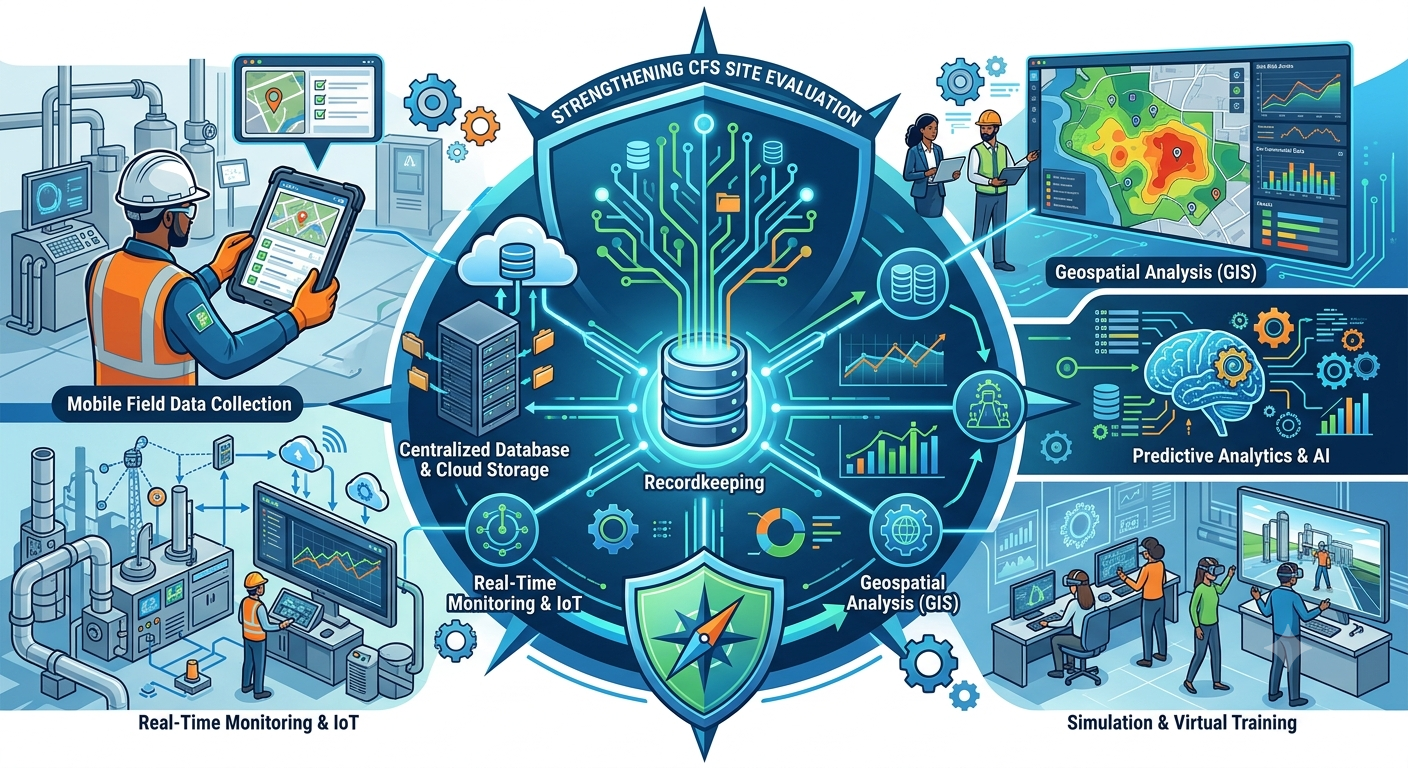
Preparing for a Customs and Border Protection, or CBP, site evaluation requires more than having operational procedures in place. A facility must also be able to demonstrate that its processes are consistently followed, properly documented, and supported by reliable records. For businesses involved in international trade, weak documentation can create unnecessary uncertainty when customs officials evaluate security practices, inventory controls, cargo handling, personnel procedures, and compliance systems. Technology can provide the structure needed to organize this information while making important records easier to retrieve and review. We recognize that preparedness is strongest when daily operations and documented evidence support each other rather than functioning as separate activities. By combining appropriate technology with disciplined recordkeeping practices, we can create a more transparent and organized environment for a CFS site evaluation.
Building a Reliable Digital Recordkeeping Environment
Digital recordkeeping can significantly improve the way a facility manages information related to cargo, personnel, access, inspections, training, and security procedures. Instead of depending exclusively on paper documents stored in different offices or filing areas, organizations can establish centralized systems that make important records easier to locate. Digital platforms can also help maintain consistent naming conventions, timestamps, user permissions, revision histories, and document retention practices. This structure becomes particularly valuable when evaluators request evidence covering several operational areas at the same time. We can use technology to establish a logical connection between operational activities and the records that demonstrate those activities were completed. When information is organized systematically, our team can respond to requests with greater confidence and reduce the risk of overlooking important documentation.
Improving Cargo Documentation Through Technology
Cargo handling is an area where accurate records can play an important role in demonstrating operational control. Technology can help facilities maintain detailed information about receiving activities, cargo movements, storage locations, transfers, inspections, releases, and other relevant events. Electronic records can create chronological histories that help establish when an activity occurred and who was responsible for completing it. Barcode systems, scanning technologies, inventory platforms, and digital transaction records can further strengthen visibility across the cargo handling process. We can use these tools to reduce reliance on manually maintained records that may be difficult to reconcile or retrieve during an evaluation. A well-organized digital cargo history can therefore provide useful evidence that procedures are not simply documented on paper but are incorporated into everyday operations.
Strengthening Access Control Records
Physical security and access control are important considerations when preparing a facility for evaluation. Technology can help document who enters controlled areas, when access occurs, which credentials were used, and whether unusual access events require further review. Electronic access control systems can create time-stamped records that provide a clearer picture of facility access than informal sign-in sheets alone. These records can also support internal reviews by allowing management to identify patterns, investigate discrepancies, and confirm that access restrictions are functioning as intended. We can integrate access records with established security procedures so that electronic information supports the broader physical security framework. Maintaining these records consistently can make it easier to demonstrate that access controls are actively managed rather than merely described in written policies.
Using Technology to Track Security Inspections
Routine inspections are another area where digital systems can improve accountability. Facilities may conduct inspections of doors, gates, fencing, lighting, surveillance equipment, storage areas, vehicles, or other security-sensitive locations depending on their operating environment. When these activities are documented electronically, management can establish a clear history of inspection dates, findings, corrective actions, responsible personnel, and completion status. Digital inspection systems can also reduce the possibility that recurring checks are forgotten or recorded inconsistently. We can use structured inspection records to identify recurring issues and determine whether corrective measures have actually resolved previously identified deficiencies. This creates a stronger connection between identifying a problem and demonstrating that the organization took appropriate action afterward.
Making Training Records Easier to Verify
Employee training records can become difficult to manage when information is maintained across spreadsheets, paper files, email correspondence, and individual employee folders. A centralized training management system can provide a more reliable way to record completed courses, training dates, employees covered, refresher requirements, and relevant documentation. Technology can also help identify upcoming or overdue training so that managers can address gaps before they become larger compliance concerns. During a site evaluation, organized training records can help demonstrate that employees understand the procedures associated with cargo security, access control, reporting responsibilities, and other operational requirements. We can establish standardized documentation practices so that every training event produces consistent evidence. This approach helps transform employee training from an informal administrative activity into a measurable component of operational preparedness.
Establishing Document Version Control
Policies and procedures are only useful when personnel are working from current and approved information. Without proper version control, an organization may have multiple copies of a procedure circulating throughout the facility, creating uncertainty about which document represents the current standard. Digital document management systems can establish controlled versions, approval histories, publication dates, and access permissions. These features help management determine when a procedure was changed and whether affected employees were informed about the update. We can use version control to reduce the risk of outdated procedures being referenced during normal operations or presented during an evaluation. A controlled documentation environment also demonstrates a more disciplined approach to maintaining policies and operational instructions.
Creating an Auditable Chain of Evidence
Effective recordkeeping should do more than store individual documents. It should help establish an auditable chain of evidence connecting an operational requirement to the activity performed and the documentation generated. For example, a security procedure may establish how an inspection should occur, while a digital inspection record can show when the inspection happened, who performed it, what was observed, and whether corrective action followed. This relationship creates a more complete picture than a policy document standing alone. We can structure our records so that procedures, forms, logs, corrective actions, and supporting evidence can be connected logically. When an evaluator needs to understand how a process works, this organized evidence can make the underlying control framework easier to demonstrate.
Protecting the Integrity of Digital Records
Technology can strengthen recordkeeping, but digital information must itself be protected against unauthorized alteration, deletion, or inappropriate access. Access permissions should be established according to job responsibilities, while sensitive information should be protected through appropriate security controls. Backup procedures are also important because a system failure should not result in the permanent loss of records required to demonstrate operational history. Audit trails can provide additional visibility by showing when records were created, modified, or accessed. We can incorporate appropriate safeguards into our recordkeeping approach so that digital documentation remains dependable over time. Protecting records is especially important because the credibility of an electronic system depends not only on the information it contains but also on confidence in its integrity.
Using Dashboards for Management Visibility
Management dashboards can provide a practical way to transform large amounts of operational data into information that leadership can review efficiently. A dashboard might display outstanding corrective actions, inspection completion rates, training status, access exceptions, documentation gaps, or other relevant performance indicators. This allows managers to identify weaknesses before they become urgent problems. Technology can also support trend analysis by showing whether recurring deficiencies are increasing, decreasing, or remaining unchanged over time. We can use these insights to prioritize resources and address areas that require attention before an evaluation takes place. Strong management visibility can turn preparedness from a last-minute exercise into an ongoing operational discipline.
Connecting Corrective Actions With Original Findings
Identifying a deficiency is only the beginning of effective corrective action management. An organization should also be able to demonstrate what happened after the issue was identified, who was responsible for resolving it, what action was taken, and whether the corrective measure was verified. Digital systems can connect the original finding with subsequent actions, supporting documentation, completion dates, and management reviews. This creates a traceable history that can help demonstrate continuous improvement. We can use centralized corrective action records to ensure that unresolved issues remain visible until they are properly addressed. Such a system also makes it easier to distinguish between issues that were identified and issues that were actually resolved.
Preparing Records Before an Evaluation
Effective preparation should begin well before an evaluator arrives at the facility. Waiting until an evaluation date is approaching can create unnecessary pressure because employees may need to locate historical records, reconcile inconsistent documentation, and address weaknesses at the same time. Technology can help management conduct periodic internal reviews of records and identify missing or inconsistent information. Regular review also provides an opportunity to test whether employees can retrieve important documents quickly when requested. We can establish internal review cycles that examine documentation quality, system accuracy, procedural compliance, and outstanding corrective actions. This creates a continuous state of preparedness rather than relying on an intensive administrative effort immediately before the evaluation.
Integrating Technology With Existing Procedures
Technology should support established operational controls rather than becoming a disconnected system that employees rarely use. If a digital platform is difficult to operate or does not reflect actual workflows, personnel may create informal workarounds that weaken record consistency. Successful implementation therefore requires a clear understanding of how cargo, security, personnel, and administrative processes function in practice. We can align digital tools with existing procedures so that record creation becomes part of normal operational activity rather than an additional administrative burden. Employee training is also important because even well-designed technology cannot produce reliable records when users do not understand how or when to use it. The objective should be to create a practical relationship between technology, employee behavior, and documented procedures.
Maintaining Consistency Across Multiple Operational Areas
CFS operations can involve numerous processes that generate different types of records. Cargo documentation, access information, security inspections, employee training, incident reports, equipment maintenance, and corrective actions may all need to be maintained under appropriate controls. When each department follows a completely different recordkeeping approach, management may struggle to obtain a consistent overview of preparedness. Standardized digital practices can help establish common expectations for record creation, retention, review, and access. We can apply consistent principles across different operational areas while still accommodating the specific requirements of individual processes. This consistency can make internal management more efficient and create a clearer overall picture of facility readiness.
Reducing the Risk of Documentation Gaps
Documentation gaps can occur for simple reasons, including incomplete forms, missing signatures, inconsistent dates, misplaced files, or failure to record corrective actions. Technology can reduce some of these risks through required fields, automated reminders, standardized templates, validation controls, and workflow approvals. These features can help prevent records from being finalized when essential information has not been entered. Digital systems can also make missing information more visible to supervisors who are responsible for reviewing records. We can use these controls to identify weaknesses early instead of discovering them during an external evaluation. Reducing small administrative errors can contribute significantly to the overall reliability of a compliance recordkeeping system.
Supporting a Culture of Continuous Preparedness
CFS site evaluation preparedness should not be treated as a one-time administrative project. The strongest approach is to incorporate preparedness into daily management practices so that security, documentation, training, and operational controls remain active throughout the year. Technology can provide the visibility required to measure whether these activities are occurring consistently. Recordkeeping can then provide the evidence needed to demonstrate what has been completed and how issues have been addressed. We can use regular reviews, data analysis, employee accountability, and documented corrective actions to strengthen this culture over time. When preparedness becomes part of routine operations, an evaluation becomes an opportunity to demonstrate established practices rather than a sudden test of organizational readiness.
How We Approach Technology and Recordkeeping
At American Trade Bridge, we understand that effective CFS site evaluation preparedness depends on the relationship between operational discipline and reliable evidence. We focus on creating organized processes that help connect cargo activities, security controls, employee responsibilities, inspections, and documentation. Our approach recognizes that technology is most valuable when it improves visibility, accountability, accuracy, and accessibility across everyday operations. We also understand that recordkeeping should be structured around the information that management needs to demonstrate consistent compliance and operational control. By combining appropriate digital tools with clear procedures, we can help create a more organized foundation for ongoing preparedness. Our goal is to support a practical environment where records are created naturally through daily activities and remain accessible when they are needed.
Building Long-Term Evaluation Readiness
The value of strong technology and recordkeeping extends beyond a single CFS site evaluation. Reliable records can support internal audits, management reviews, operational investigations, employee accountability, security improvements, and long-term process development. Digital information can help organizations understand where recurring weaknesses exist and where additional resources may be required. Historical records can also provide valuable context when management evaluates changes to facility operations or security procedures. We can treat each documented activity as part of a larger information system that supports both immediate compliance needs and broader operational objectives. This long-term perspective makes preparedness more sustainable because the systems supporting evaluation readiness also contribute to better management of the facility.
Technology and recordkeeping can provide a strong foundation for preparing a CFS facility for evaluation when they are integrated into everyday operations. Digital cargo records, access histories, inspection documentation, training records, controlled procedures, corrective action histories, and management dashboards can collectively create a more transparent operational environment. The objective is not simply to accumulate documents but to establish reliable evidence that procedures are understood, implemented, monitored, and improved. We can strengthen this foundation by combining appropriate technology with standardized processes, employee accountability, document control, and regular internal reviews. Consistent preparation also reduces the pressure associated with locating information or addressing documentation weaknesses immediately before an evaluation. American Trade Bridge helps businesses recognize the strategic value of organized operational records so that preparedness becomes an ongoing capability rather than a temporary response to an upcoming evaluation.
