What Is a CFS Bonded Warehouse
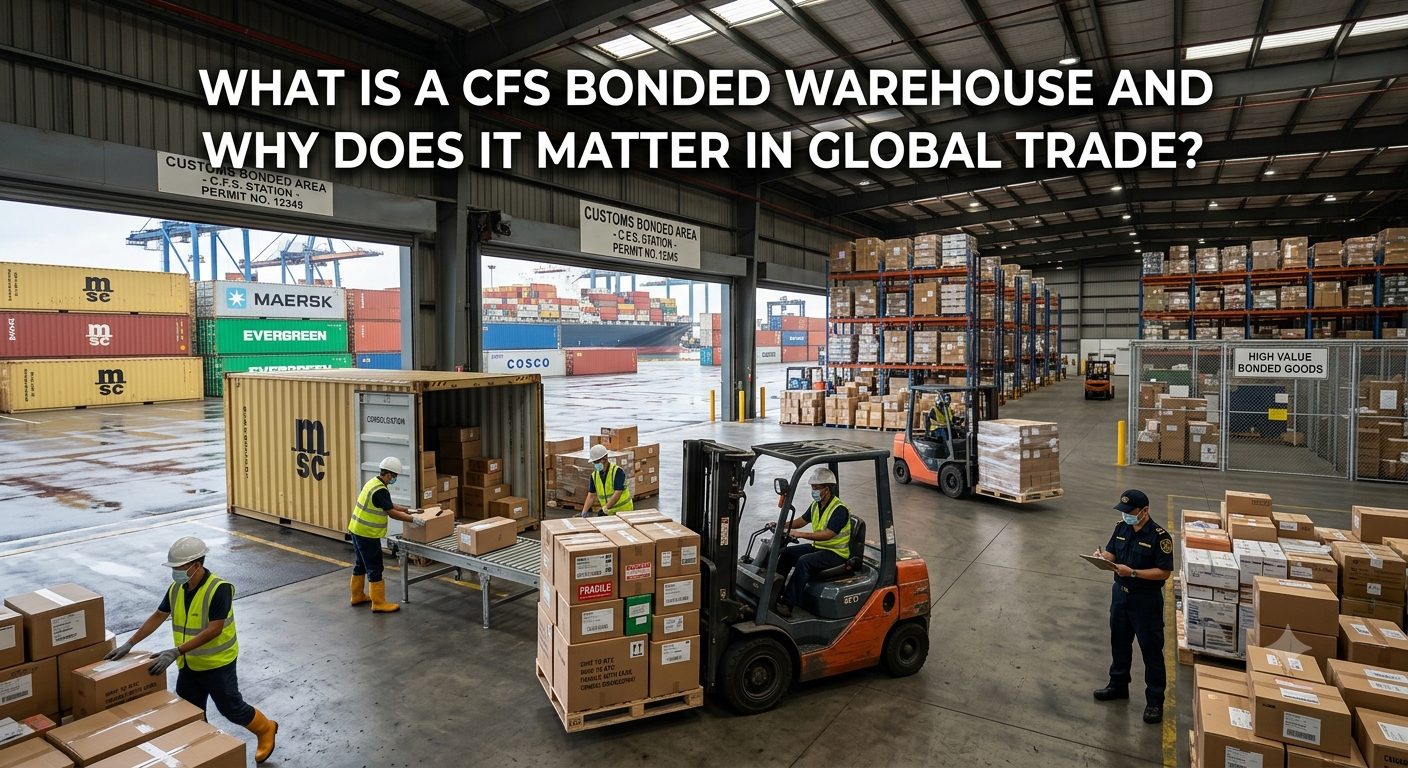
What Is a CFS Bonded Warehouse and Why Does It Matter in Global Trade?
Global trade depends on speed, accuracy, and compliance. Every shipment moving across international borders passes through multiple checkpoints, documentation processes, and customs procedures before reaching its final destination. For importers, exporters, freight forwarders, and logistics providers, managing cargo efficiently is critical to avoiding delays and unnecessary costs. One of the most important facilities supporting this process is the CFS bonded warehouse.
At American Trade Bridge, we help businesses understand the logistics infrastructure that keeps international commerce moving smoothly. A CFS bonded warehouse plays a major role in cargo handling, customs control, and supply chain optimization, especially for ocean freight shipments entering or leaving the United States.
Understanding how these facilities work can help businesses improve operational efficiency, maintain compliance with customs regulations, and reduce transportation complications in highly competitive global markets.
Understanding the Meaning of a CFS Bonded Warehouse
A CFS bonded warehouse combines two important logistics functions. The first is a Container Freight Station, commonly known as a CFS. The second is a customs bonded warehouse authorized by customs authorities.
A Container Freight Station is a location where cargo is consolidated or deconsolidated before or after ocean transport. It serves as a handling point for Less than Container Load shipments, also known as LCL cargo. Instead of shipping a full container, multiple importers or exporters share container space. The CFS facility manages sorting, storage, and handling of these shipments.
A bonded warehouse, on the other hand, is a secured facility approved by customs authorities where imported goods may be stored without immediate payment of duties and taxes. Duties are only paid when goods officially enter domestic commerce.
When these two functions operate together, the result is a CFS bonded warehouse. This facility allows imported cargo to be unloaded, sorted, stored, inspected, and processed under customs supervision before final clearance.
How a CFS Bonded Warehouse Operates
The process begins when cargo arrives at a port by ocean carrier. Containers carrying consolidated freight are transported from the port terminal to the CFS bonded warehouse. At the facility, shipments are unpacked and separated according to individual consignees.
Customs authorities may inspect cargo, review shipping documents, or verify compliance requirements while the goods remain under bond. Since duties have not yet been paid, the cargo stays within a controlled customs environment.
Once customs clearance is completed and duties are paid, shipments are released for domestic delivery. If cargo is being exported, the warehouse may also consolidate multiple shipments into containers before loading them onto outbound vessels.
This controlled process improves cargo management while ensuring regulatory compliance.
Why Bonded Warehousing Matters in International Trade
International shipping involves complex customs regulations, tariff structures, and security requirements. A bonded warehouse provides flexibility that benefits importers and exporters in several important ways.
One of the biggest advantages is deferred duty payment. Businesses do not have to pay import duties immediately upon cargo arrival. Instead, payment is delayed until the goods officially leave the bonded environment for domestic distribution. This improves cash flow and allows companies to better manage working capital.
Bonded warehousing also provides temporary storage for cargo awaiting customs clearance, inspections, or transportation arrangements. This reduces congestion at marine terminals and prevents unnecessary port storage charges.
Another major benefit is compliance support. Customs regulations can vary significantly depending on product type, country of origin, and trade agreements. CFS bonded warehouses operate under strict customs oversight, helping ensure cargo is handled according to federal regulations.
For businesses managing large import volumes, this level of compliance control reduces the risk of penalties, shipment delays, and documentation errors.
The Role of CFS Bonded Warehouses in LCL Shipping
Less than Container Load shipping is one of the primary reasons CFS bonded warehouses are so important in modern logistics.
Many businesses do not ship enough cargo to fill an entire ocean container. Instead of paying for unused space, they share container capacity with other importers or exporters. This reduces transportation costs but creates additional handling complexity.
A CFS bonded warehouse acts as the coordination hub for these shared shipments. Cargo from multiple suppliers may be consolidated into a single export container. Upon arrival at the destination port, the warehouse separates shipments for individual consignees.
Without these facilities, LCL shipping would be far less efficient and significantly more expensive.
As global supply chains continue expanding, demand for flexible freight solutions has increased. CFS bonded warehouses make international trade more accessible to small and medium sized businesses that rely on shared container shipping.
Customs Compliance and Security Requirements
Security and compliance are central to bonded warehouse operations. These facilities operate under direct authorization from customs agencies such as U.S. Customs and Border Protection.
Warehouse operators must maintain strict inventory tracking systems, cargo security procedures, and detailed recordkeeping practices. Every shipment entering or leaving the bonded area must be documented accurately.
Customs officials may conduct inspections, audits, or examinations at any time. This oversight helps prevent smuggling, duty evasion, and unauthorized cargo movement.
For importers, using a reputable bonded warehouse partner adds an additional layer of protection and operational reliability.
At American Trade Bridge, we understand that customs compliance is not just about paperwork. It is about protecting supply chain continuity, avoiding disruptions, and maintaining trust across international trading relationships.
How CFS Bonded Warehouses Reduce Supply Chain Delays
Ports around the world face increasing congestion due to growing cargo volumes and global shipping demand. Delays at marine terminals can quickly lead to expensive storage charges and scheduling disruptions.
CFS bonded warehouses help reduce this pressure by moving cargo away from crowded port environments into controlled off dock facilities. This creates more efficient cargo flow and accelerates container turnover at terminals.
Importers also gain more flexibility in scheduling deliveries. Instead of rushing cargo movement immediately after vessel arrival, shipments can remain safely stored while transportation arrangements are finalized.
This flexibility becomes especially valuable during customs holds, transportation shortages, or seasonal shipping surges.
Efficient cargo management through bonded warehousing can significantly improve overall supply chain resilience.
Industries That Commonly Use CFS Bonded Warehouses
Many industries rely heavily on bonded warehousing services because of their international sourcing and distribution requirements.
Retail businesses frequently use these facilities to manage imported inventory before domestic distribution. Electronics manufacturers often store components awaiting assembly or quality inspections. Automotive suppliers depend on bonded storage for imported parts moving through complex production schedules.
The apparel industry also relies extensively on CFS bonded warehouses due to high import volumes and seasonal inventory cycles. Food and beverage importers may use bonded facilities for products awaiting customs clearance or regulatory inspections.
Pharmaceutical and medical supply companies benefit from the controlled handling environment and compliance oversight provided by bonded operations.
In nearly every major trade sector, these facilities support smoother cargo movement and better inventory management.
The Difference Between a Bonded Warehouse and a Regular Warehouse
Although both facilities store cargo, there are major operational differences between a bonded warehouse and a standard warehouse.
A regular warehouse stores goods that have already cleared customs and entered domestic commerce. Duties and taxes have already been paid before storage begins.
A bonded warehouse stores imported cargo under customs supervision before duties are paid. Goods remain within a secured customs controlled environment until officially released.
This distinction creates important financial and regulatory advantages for importers engaged in international trade.
Bonded warehouses also face stricter operational standards, security requirements, and customs reporting obligations compared to standard commercial storage facilities.
The Future of Bonded Warehousing in Global Logistics
As international trade continues evolving, bonded warehousing will remain an essential part of global supply chains. E commerce growth, changing trade policies, and increasing customs enforcement are driving demand for more efficient cargo handling solutions.
Technology is also transforming warehouse operations. Advanced inventory systems, cargo tracking platforms, and automated customs documentation tools are improving visibility and efficiency throughout the logistics process.
Businesses now expect faster shipment processing, greater transparency, and stronger compliance support from logistics providers.
At American Trade Bridge, we recognize that successful global trade depends on reliable infrastructure and knowledgeable logistics support. Understanding how CFS bonded warehouses operate allows businesses to make smarter shipping decisions, reduce operational risks, and improve supply chain performance in an increasingly competitive international market.
A CFS bonded warehouse is far more than a storage facility. It is a critical logistics hub that supports customs compliance, cargo consolidation, duty management, and efficient international freight movement.
For importers and exporters, these facilities provide flexibility, financial advantages, and operational control throughout the shipping process. Whether managing LCL cargo, reducing port congestion, or supporting customs inspections, bonded warehouses play a central role in keeping global trade moving efficiently.
As supply chains become more complex and international commerce continues expanding, the importance of well managed bonded warehousing operations will only continue to grow.
